When Perry Introduced Herself
Why Balance Matters—Especially to Me

It was an ordinary day. Clinic ran long. It was cold and raining as I sat in the carpool line, windshield wipers beating against the glass. Then my heart started pounding—loudly. Almost as loud as the rain.
My chest tightened. Traffic felt like it was closing in.
I couldn’t catch my breath. And then came the thought that froze me in place:
This is the end.
By the time I picked up my son, he knew something was wrong. He called my husband immediately. “Daddy, something is wrong with Mama. I don’t know what to do.”And in that moment—heart racing, palms sweating, lungs struggling—I realized what was happening.
I was having a panic attack.
Something I had never experienced in my life. I have no history of anxiety, depression, or OCD. I’ve always been high-functioning. Driven. Productive. Yes, my periods had become irregular. Yes, I was angrier. More tense. More irritable. Shorter fuse. But nothing prepared me for this. And then it hit me:
Perry was here. Perimenopause had arrived. It was my first ever panic attack, but it was not my last. It was about 2 years ago, and throughout the last two years, I started having anxiety and panic about traveling, particularly getting on an airplane. I have flown all over the world since I was 5 years old. But for the first time, I started feeling panic at every turbulent bounce. Now, after two years of being on menopausal hormone therapy and understanding my triggers, I have less fear of flying (but it still creeps up every so often).

Naming It Changed Everything
The moment I labeled it—this is a panic attack; this is hormonal; this is perimenopause—my body began to settle. That act alone—affect labeling—gave me control again. My breathing slowed. The doom loosened its grip. I explained to my kids that I was going to work on getting my mood under control, that I didn’t like feeling this way either, and that I appreciated their concern.
Now, when I get irritable—because let’s be honest, you can’t control Perry 100%—my six-year-old looks at me and says: “Mama… is this scary Perry or what?” We name it.
We laugh. And we move forward.
What have I done for myself? I have curated an exercise program with my personal trainer/boxing coach, monitor what I am fueling my body with, try to give myself some grace and self-care, and, yes, I am on body-identical transdermal estrogen, oral micronized progesterone, and topical testosterone (when I can remember to take it). I guard my sleep. I try to be mindful of my relationships and have a community of like-minded colleagues and friends with whom I communicate. It is a work in progress; I have some good days and some really bad days.
I also get calls from friends and colleagues around the world who have had similar experiences. I’ve even helped guide many of my friends through difficult experiences in this transition. I am always grateful for the support of all my friends and family.
Why This Matters—Even for Experts
Here’s the part that should give all of us pause: I specialize in menopause and sexual medicine. I teach this. I speak about this. I treat this every day. And it still took me too long to recognize that I was in perimenopause.
So if it can take this long for someone with training, language, and access—
What about everyone else? That’s why perimenopause awareness isn’t optional. It’s essential.
Why Balance Exists
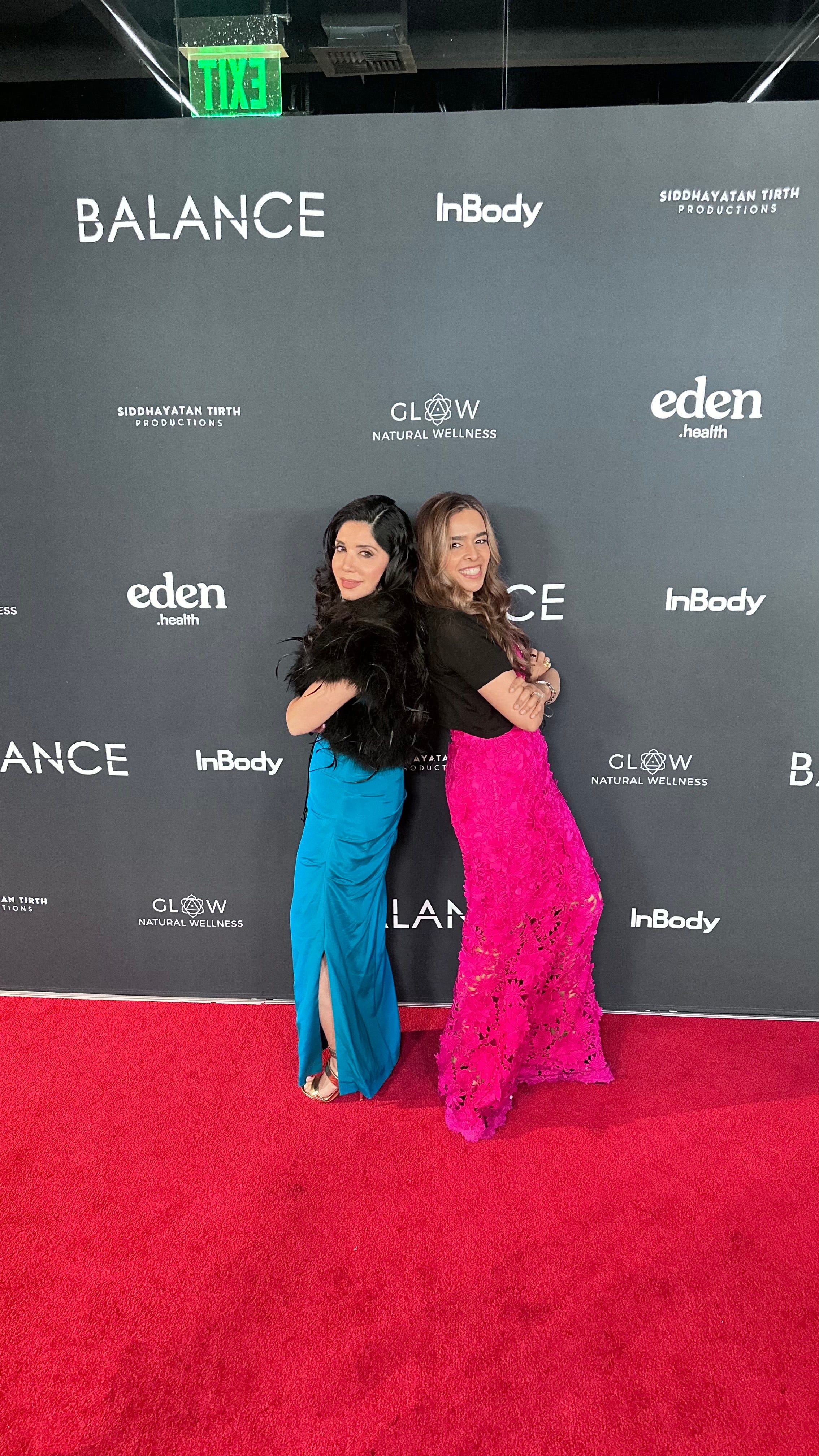
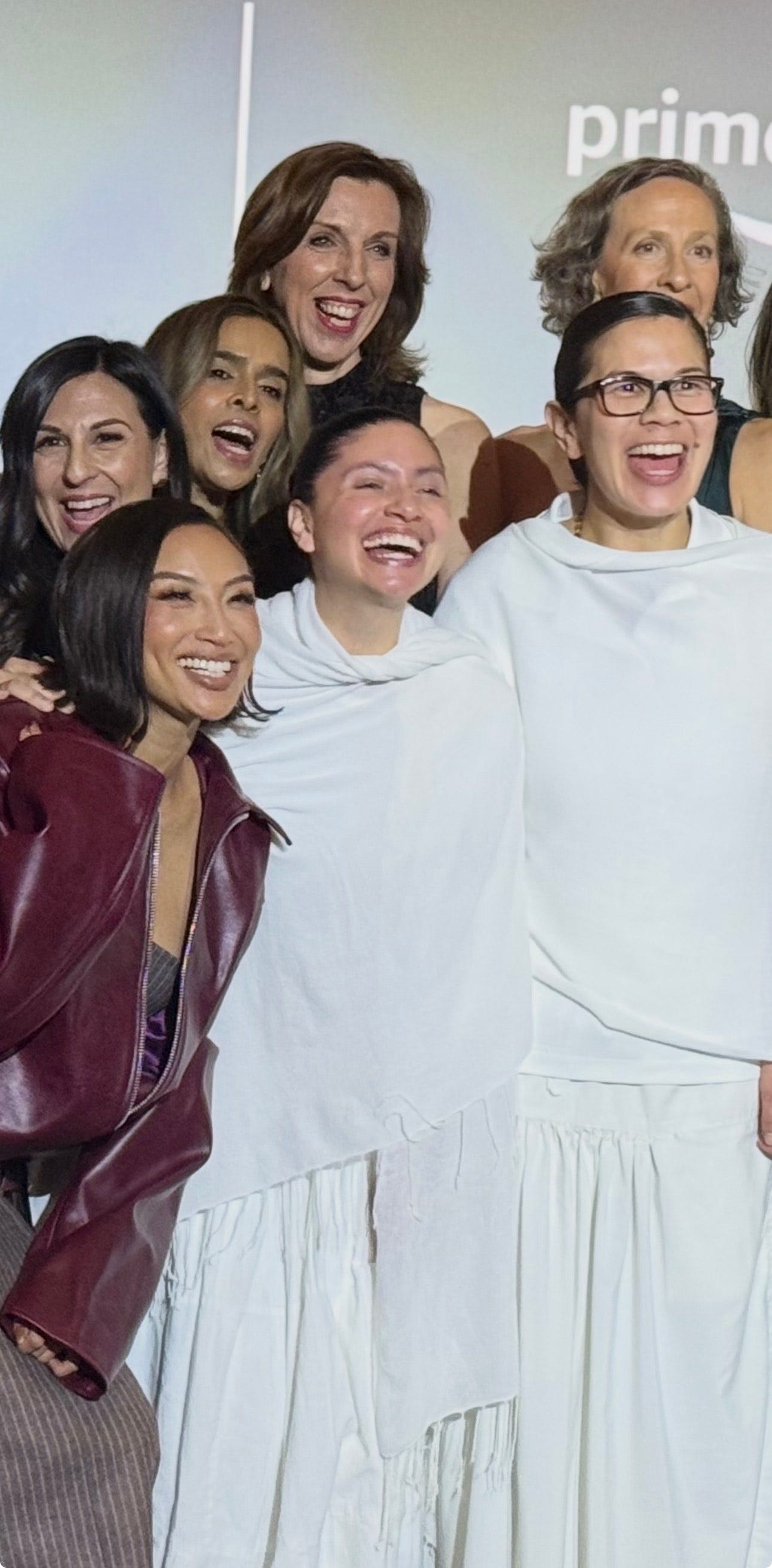
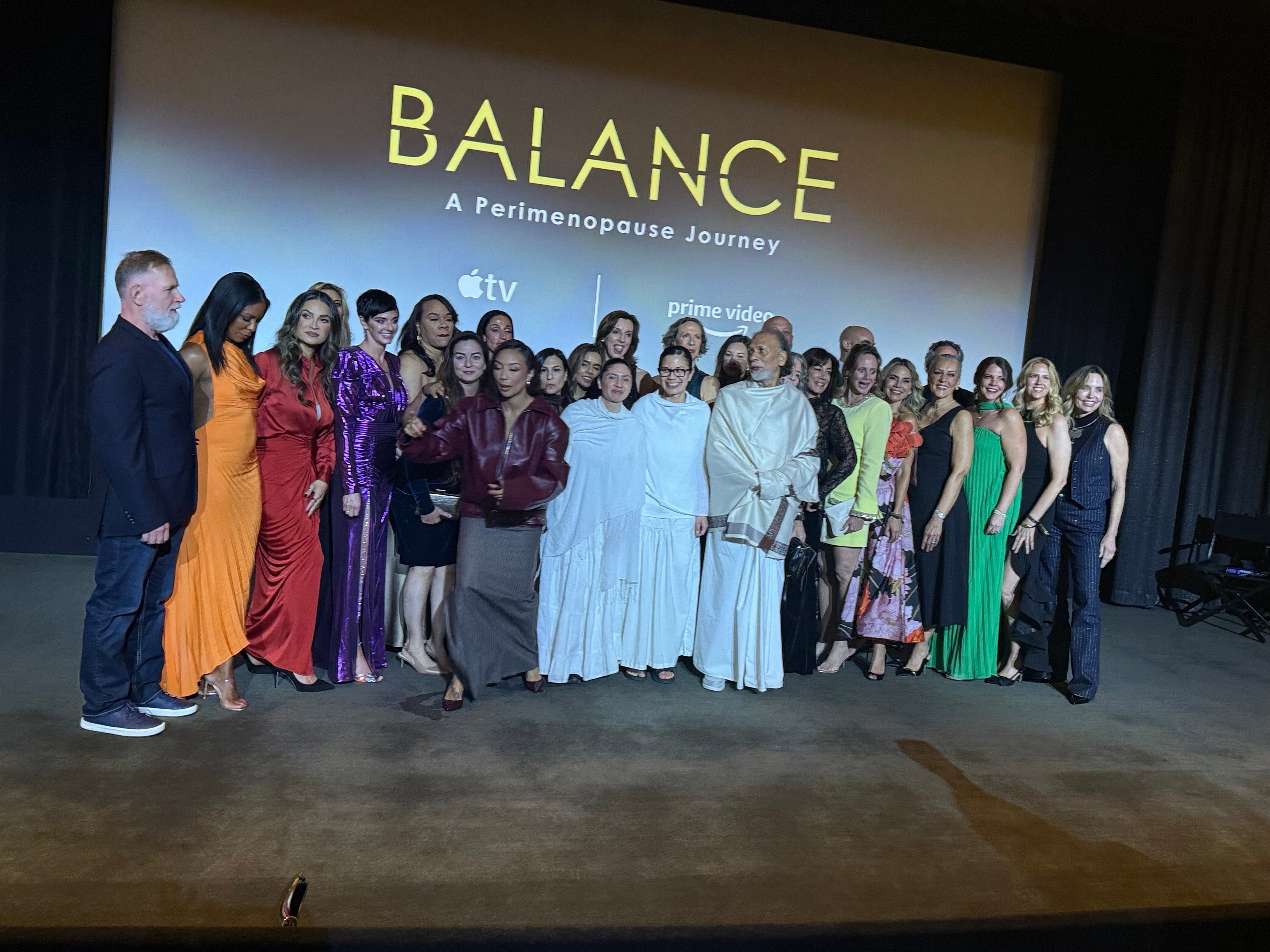
I was in Los Angeles this past week and excited to be part of the world premiere of an amazing docuseries that took several years to create. Balance: a Perimenopause Docuseries was created to spark a movement and build momentum so fewer women can suffer.
This docuseries was created by Sadhavi Siddhali and Anabuti, along with their team of filmmakers, to capture their own journey through perimenopause. As Jain monks, lifestyle was paramount to their initial journey. But you cannot meditate yourself out of perimenopause. And that is why this story is particularly compelling. These women have interviewed experts from around the world, including myself, to understand the changes women are experiencing and how to empower them to understand ALL the tools available.
Balance doesn’t sensationalize menopause.
It names it. Through real stories and expert voices, it captures perimenopause as it actually unfolds—confusing, emotional, destabilizing, and transformative. This series challenges silence, dismantles medical gaslighting, and gives women language for experiences they’ve been taught to minimize. It replaces shame with understanding.
Isolation with community. I am honored to be part of it
.
How You Can Help
Awareness is only the first step. It will be streaming on Apple TV and prime video starting January 30. Here is the trailer
You can support Balance by:
Donating to Balance
Hosting a screening or conversation in your community
Sharing this work so fewer women feel blindsided
Advocating for better education and better care
Final Thought
If it took a panic attack in a rainy carpool line for me to recognize perimenopause, we are asking far too much of women to figure this out alone.
Balance exists so they don’t have to.
Because Perry is coming.
And she deserves to be named.
Thank you so much for sharing your experience. For someone in your position and profession to say, “Me too!” is beyond valuable.